
The Allure of Chance and Risk
The thrill of taking risks is a fundamental aspect of human nature, and casino games capitalize on this intrinsic quality. Players are irresistibly drawn to the uncertainty and potential for reward that accompanies every spin of the slot machine or roll of the dice. This excitement stems from the adrenaline rush experienced during high-stakes situations, making even the prospect of losing appealing, especially when considering options like neosurf casino australia that enhance the gaming experience. The sensation of taking a gamble, combined with the possibility of winning big, creates a potent psychological cocktail that keeps players engaged and returning for more.
Moreover, the concept of randomness plays a significant role in the allure of casino games. Many players mistakenly believe they can influence the outcome of games like slots or roulette, leading them to continue playing in the hopes of hitting a jackpot. This illusion of control can be enticing, as it allows players to feel a sense of agency despite the inherently unpredictable nature of chance games. Marketers and game designers often exploit this by implementing near-misses and small wins to encourage prolonged engagement, playing into the players’ cognitive biases.
Finally, the role of social interaction in casinos cannot be understated. Many games, such as poker, require players to interact with each other, creating a social atmosphere that enhances the overall experience. The camaraderie and competition add a layer of excitement that is psychologically fulfilling, making players more likely to return. The combined effects of risk-taking, the desire for control, and social interaction create a compelling environment that draws individuals back to casinos time and again, reinforcing their engagement with the games.
The Role of Environment and Design
The design of a casino is meticulously crafted to foster an immersive experience. Everything from the lighting to the sounds is optimized to keep players engaged. Bright lights and vibrant colors are strategically used to create an energetic ambiance, stimulating the senses and encouraging prolonged play. Additionally, the absence of clocks and windows removes the perception of time, allowing players to become engrossed in the moment without the distractions of the outside world. This design philosophy ensures that players lose track of time, often leading them to spend more than they intended.
Furthermore, the arrangement of games within a casino is designed to maximize foot traffic and encourage exploration. Popular games are often placed near entrances or high-traffic areas, enticing players to stop and try their luck. The layout encourages a flow that leads players from one gaming area to another, increasing their chances of playing multiple games during their visit. This carefully curated experience plays into the psychology of habitual behavior, where the more time players spend in the casino, the more likely they are to gamble, creating a cycle that casinos thrive on.
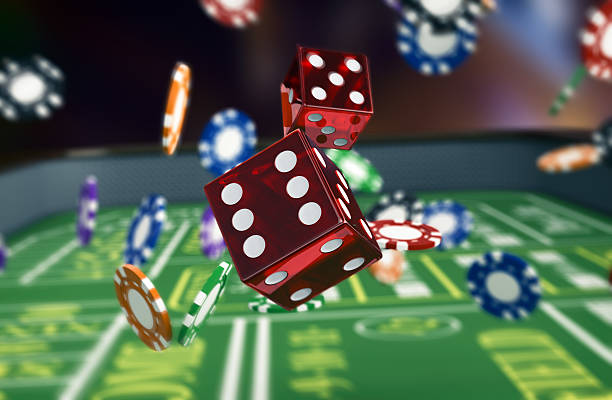
Sensory cues also play a crucial role in sustaining interest. The sounds of coins clinking, the cheers of winners, and the upbeat music create an auditory landscape that reinforces the excitement of gambling. These soundscapes can trigger positive emotions, making players associate the casino environment with fun and enjoyment. This combination of design elements creates a stimulating atmosphere that captures players’ attention and keeps them invested emotionally and psychologically. By engaging multiple senses, casinos create an environment that feels rewarding and enticing.
Rewards and Reinforcement
Cognitive psychology highlights the significance of reward systems in influencing behavior. In casinos, the reinforcement of wins—both big and small—can lead to habitual gambling. The excitement of winning reinforces the desire to continue playing, as players seek to replicate the euphoria they felt during a win. Even losing streaks can maintain a player’s engagement due to the elusive prospect of a breakthrough win just around the corner. This psychological aspect of gambling ensures that players remain hopeful, often leading them to invest more time and resources.
The concept of intermittent reinforcement is particularly relevant in casino gaming. Players often experience wins at irregular intervals, which triggers a more powerful psychological response than consistent rewards. This unpredictability can create a cycle of anticipation and excitement, as players are motivated to keep playing in the hope of striking it lucky. The thrill derived from the possibility of winning disproportionately outweighs the actual losses incurred, reinforcing the behavior of returning to the casino. This unpredictability keeps players on the edge of their seats, making every game feel like a new adventure.
Additionally, loyalty programs are designed to exploit this psychological tendency. By offering rewards for continued play, casinos motivate players to engage in habitual gambling. These programs create a sense of belonging and appreciation, further encouraging players to return. As players accumulate points, the anticipation of redeeming rewards can drown out the memory of losses, reinforcing the cycle of gambling behavior. This systematic reinforcement of engagement ensures that players feel valued, making them more likely to return for future gaming experiences.
The Psychological Impacts of Gambling
The psychological effects of gambling can be profound, especially when individuals find themselves caught in the cycle of compulsive gambling. While many enjoy gaming responsibly, the thrill can lead some to develop gambling disorders, characterized by an inability to control their gambling behaviors. This can result in severe financial, emotional, and social consequences, creating a ripple effect that impacts not only the individual but also their loved ones. The emotional toll of gambling addiction can lead to feelings of isolation and despair, further complicating the individual’s relationship with gambling.

Moreover, cognitive distortions often accompany problem gambling. Players may fall victim to the “gambler’s fallacy,” where they believe that a losing streak must be compensated by an inevitable win. This mindset can lead to chasing losses, causing individuals to gamble more in hopes of recovering their funds. Such irrational thinking further entraps the individual in the cycle of gambling addiction, compounding their difficulties and further distancing them from their financial and personal goals. Understanding these psychological traps is crucial for helping individuals recognize and address their gambling behaviors.
Fortunately, awareness and education about the psychological aspects of gambling can aid in prevention and intervention. Understanding the triggers and psychological incentives behind casino gaming can empower individuals to make informed choices and seek help if needed. Resources such as counseling, support groups, and awareness campaigns can provide essential guidance for those struggling with gambling-related issues, promoting healthier gaming habits and reducing the stigma associated with seeking help. By fostering a culture of awareness, communities can work towards minimizing the negative impacts of gambling on individuals and families.
The Role of Online Gaming Platforms
The rise of online gaming has transformed the landscape of casino gaming, creating new psychological dynamics. Digital casinos replicate the immersive experience of traditional casinos while providing unprecedented access and convenience. Players can gamble from the comfort of their homes, often blurring the lines between leisure and gambling activity. This accessibility can further enhance the psychological allure, as the barriers to entry are significantly lowered, allowing for impulsive and unplanned gambling behaviors.
Additionally, online platforms utilize advanced data analytics to tailor experiences to individual players. By tracking behaviors and preferences, platforms can create personalized gaming experiences that resonate with players, further enhancing engagement. The use of rewards and gamified elements, such as leaderboards and challenges, creates an engaging environment that can lead to increased time spent gambling. This data-driven approach can establish a cycle of reinforcing behaviors akin to those seen in traditional casinos, fostering a deeper emotional investment in the gaming experience.
However, the online gaming environment also raises concerns regarding the potential for increased gambling problems. The anonymity and convenience of online platforms can make it easier for individuals to gamble irresponsibly. This has sparked a need for responsible gaming measures, including self-exclusion tools and awareness campaigns that educate players about the risks associated with online gambling while encouraging healthy practices. By promoting responsible gaming, online platforms can help mitigate the risks of gambling addiction and foster a safer gaming environment for all players.
