
The Thrill of Uncertainty
One of the primary reasons people are drawn to gambling is the thrill that comes from uncertainty. The unpredictable nature of games of chance creates a unique adrenaline rush, making each bet a potential gateway to excitement and emotional highs. This blend of risk and reward taps into human psychology and provides individuals with an avenue for escape, such as when they try payid online pokies that offer new experiences. When a player places a wager, there’s an exhilarating moment where hope and anxiousness collide, a stark contrast to the predictability of daily life.
Moreover, the element of uncertainty fosters a sense of adventure. Many individuals seek out experiences that deviate from their routine, and gambling often fits that mold perfectly. Consider the iconic roulette wheel; the spinning ball’s fate is unknown until it finally rests on a number, drawing players into its suspenseful trajectory. This anticipation can serve as an addictive draw, turning a mere game into an unforgettable experience that people wish to replicate time and again.
Additionally, the allure of not just winning money but also gaining social status within gambling circles cannot be overlooked. For some, the idea of hitting a jackpot can transform their lives overnight, allowing them to dream and fantasize about a more luxurious lifestyle. This prospect creates a compelling narrative that keeps individuals returning, hoping that today might be the day they achieve that life-changing moment.
The Social Aspect of Gambling
Gambling is often portrayed as a solitary activity, but it frequently serves as a social catalyst. Many players flock to casinos not just for the games but for the community and camaraderie that come along with them. From sharing laughter over a poker table to cheering together during a thrilling game of blackjack, these social interactions can forge lasting connections and friendships. The communal aspect of gambling can significantly enhance the overall experience, making it more enjoyable and less about profit margins.
Casinos are designed to promote socialization. Vibrant atmospheres filled with music, laughter, and chatter stimulate a sense of belonging, enticing people to participate. Many establishments offer entertainment, dining options, and special events that further promote interaction among patrons, transforming the gambling experience into a shared adventure. This social engagement is a crucial element that keeps individuals returning, as it intertwines the excitement of gaming with the warmth of community.
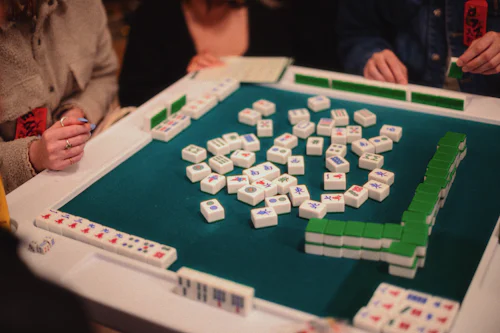
The rise of online gambling has also tapped into this social aspect, facilitating connections between players across the globe. Live dealer games and chat functions allow individuals to interact, strategize, and celebrate winnings together, creating a virtual community that mirrors the bustling environment of a physical casino. This interaction fosters a unique sense of belonging among players, making the online gambling experience as enticing as its brick-and-mortar counterparts.
The Psychological Factors at Play
The psychology behind gambling is complex and multifaceted. Many people are attracted to games of chance because of the illusion of control they provide. Even though the outcome of games is predominantly based on luck, players often believe they can influence results through strategies or betting patterns. This illusion can be compelling, leading to repeated visits to casinos as individuals attempt to refine their techniques or luck in pursuit of a hoped-for win.
Moreover, psychological conditioning plays a significant role in why people gamble. Casinos are designed to be visually stimulating, often using bright lights, sounds, and enticing aromas to create an immersive experience. This sensory stimulation can trigger feelings of excitement and euphoria, almost akin to a high. Some individuals may even develop a form of behavioral addiction that compels them to seek out these pleasurable states, making it difficult to resist the allure of the casino.
Furthermore, the concept of near-misses can be particularly addictive in gambling scenarios. When players experience close calls—like the spinning slot reels almost aligning or narrowly missing a winning number—they often feel a surge of excitement. This phenomenon can lead individuals to gamble more, as they believe success is just around the corner. This psychological trap keeps them engaged, often leading to prolonged gaming sessions that can quickly spiral out of control.
The Influence of Environment and Design
The environment of a casino is meticulously crafted to enhance the gambling experience. From the moment individuals walk through the doors, they’re enveloped in an atmosphere designed to ignite excitement. The layout of gaming tables, flashing lights, and strategically placed machines creates an enchanting labyrinth that encourages exploration. This design not only entices players but can also disorient them, allowing them to lose track of time and money as they become engrossed in the allure of the games.

Moreover, the availability of complimentary drinks and snacks serves to lower inhibitions and prolong the gaming experience. While enjoying a cocktail, players may find themselves more willing to take risks, increasing the likelihood of further gambling. This practice is a calculated move by casinos, leveraging the effects of alcohol to enhance player engagement and spending. The combination of a captivating environment and the social lubricant of alcohol creates a potent mix that heightens the gambling experience.
The tactile experience of handling chips, cards, or the controls of a slot machine also plays a significant role in drawing people in. The physical connection to the game can evoke a sense of ownership and investment, making wins feel more rewarding and losses more impactful. These physical sensations, combined with the exhilarating sounds of winning, create a compelling feedback loop that keeps players returning for more, eager to replicate the excitement of their previous experiences.
Exploring Responsible Gaming
While the allure of the casino is undeniable, it is crucial to approach gambling with caution. The potential for addiction is a significant concern, and individuals must be aware of their limits. Responsible gaming initiatives aim to educate players about the risks associated with gambling and promote healthy gaming habits. Most casinos and online platforms now offer tools to help players set budgets and limit their wagering, ensuring that gambling remains a form of entertainment rather than a source of distress.
It’s essential to recognize the signs of problematic gambling behavior. Individuals should be mindful of how often they gamble, the amounts they wager, and whether their gambling habits are affecting their personal lives or finances. Seeking help from professionals or support groups when gambling starts to feel more like a necessity than a choice is vital. By addressing potential issues early, individuals can continue to enjoy the thrill of the casino without falling into the trap of addiction.
As the gambling landscape evolves, continuing education on responsible gaming will remain paramount. As technology progresses, new methods of gameplay are introduced, making it crucial for players to stay informed. Understanding the balance between enjoyment and responsibility will ensure that the allure of the casino remains a source of excitement and fun without compromising individual well-being or financial stability.
